"We found that Withings was the best option because patients don't have to be hooked up to the internet, or download an app, and the dashboard was really user friendly. It was a perfect match."
Heart failure
Supporting better outcomes and reducing readmissions through continuous, connected monitoring
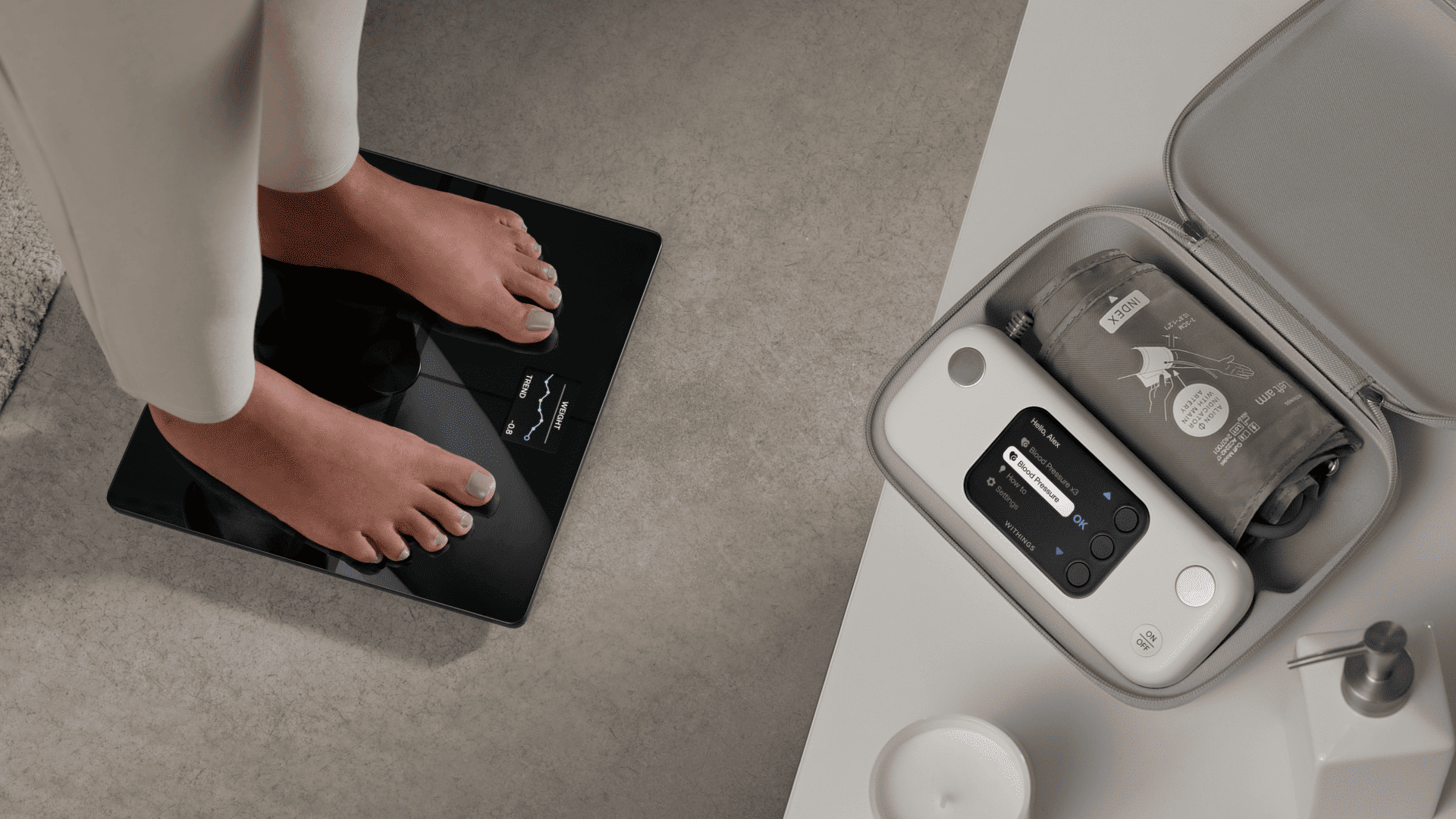
A smarter approach to heart failure management
Empowering patient independence
Withings solutions help patients with chronic heart failure stay independent at home or in care facilities. Easy-to-use devices encourage adherence, reduce the burden of daily monitoring, and improve quality of life.
Early risk detection and prevention
Continuous tracking of weight, heart rate, and blood pressure provides early warning signs of fluid retention or deterioration. Care teams can act proactively, reducing costly hospitalizations and avoidable readmissions.
More biomarkers for ongoing monitoring
Collect more metrics including extracellular water, 1-lead ECG and questionnaires to track medication adherence and symptoms directly on our scales and blood pressure monitors.
They trust us
We are the technology partner to leaders in hypertension management program.
We help them scale their programs and elevate the standard of care with reliable, engaging, and data-driven technology.




The technology that powers your program
We've engineered solutions that eliminate friction for both your participants and your operational teams.
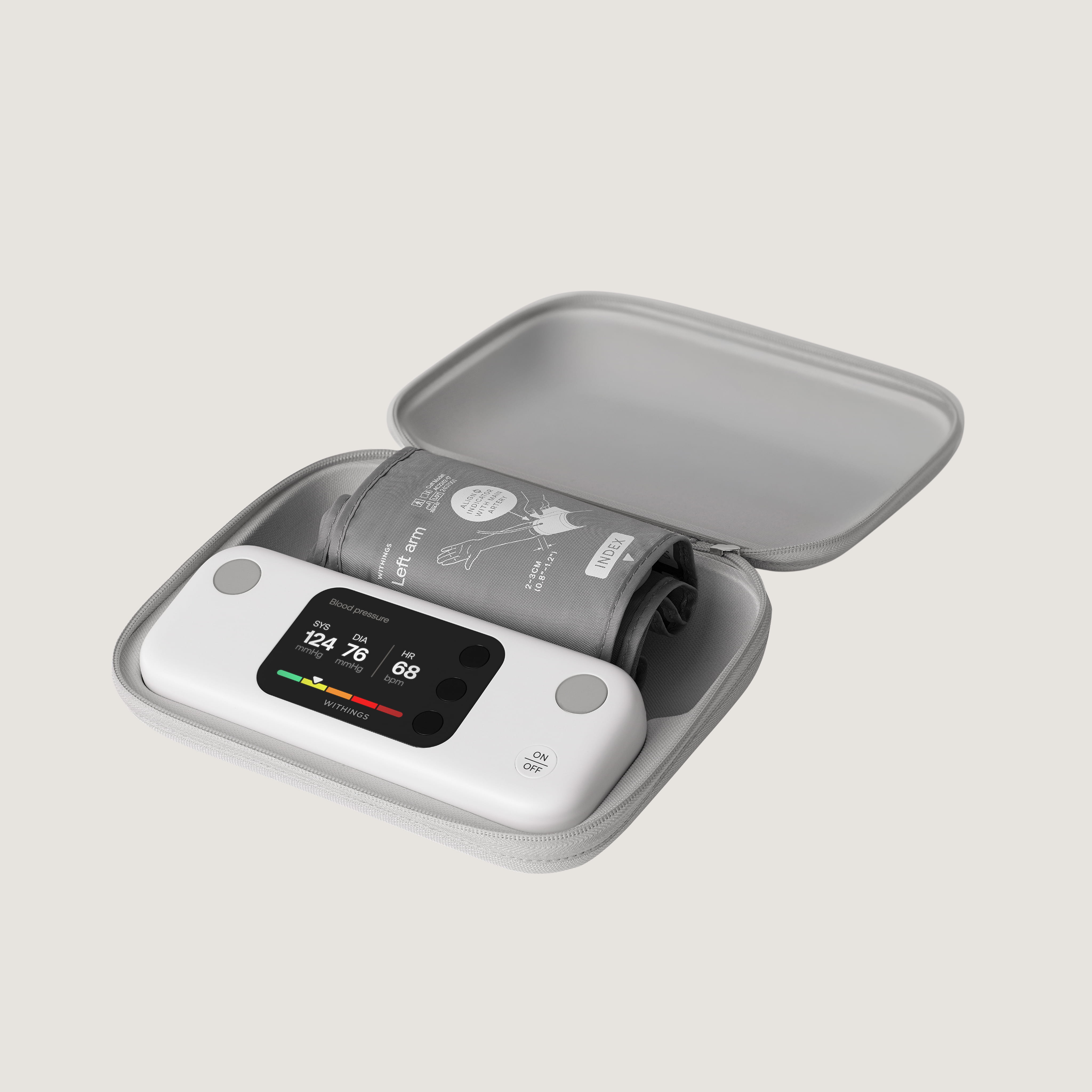
BPM Pro 2
Collect additional data such as the CHF symptom questionnaire on the device along with blood pressure.
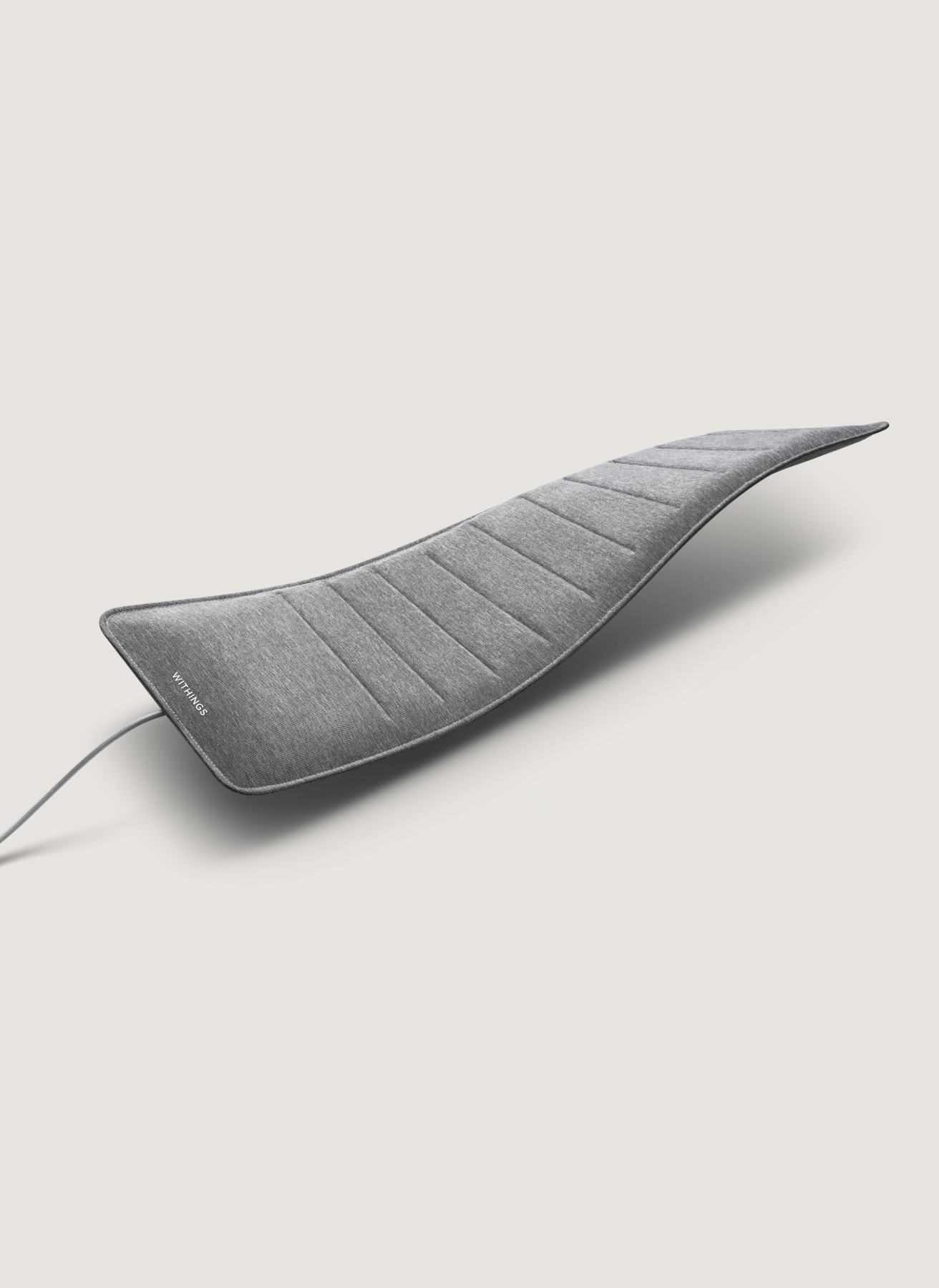
Sleep Rx
Monitor heart rate in a contactless manner, with no ongoing steps for the patient.
EHR/EMR integration
Withings RPM integrates with virtually every EHR platform, so you can access patient data without needing to access a different interface. Our solution integrates into your current workflow to allow seamless data synchronization, device ordering, billing and alerts management.
FAQ
What Withings devices are recommended for congestive heart failure monitoring programs?
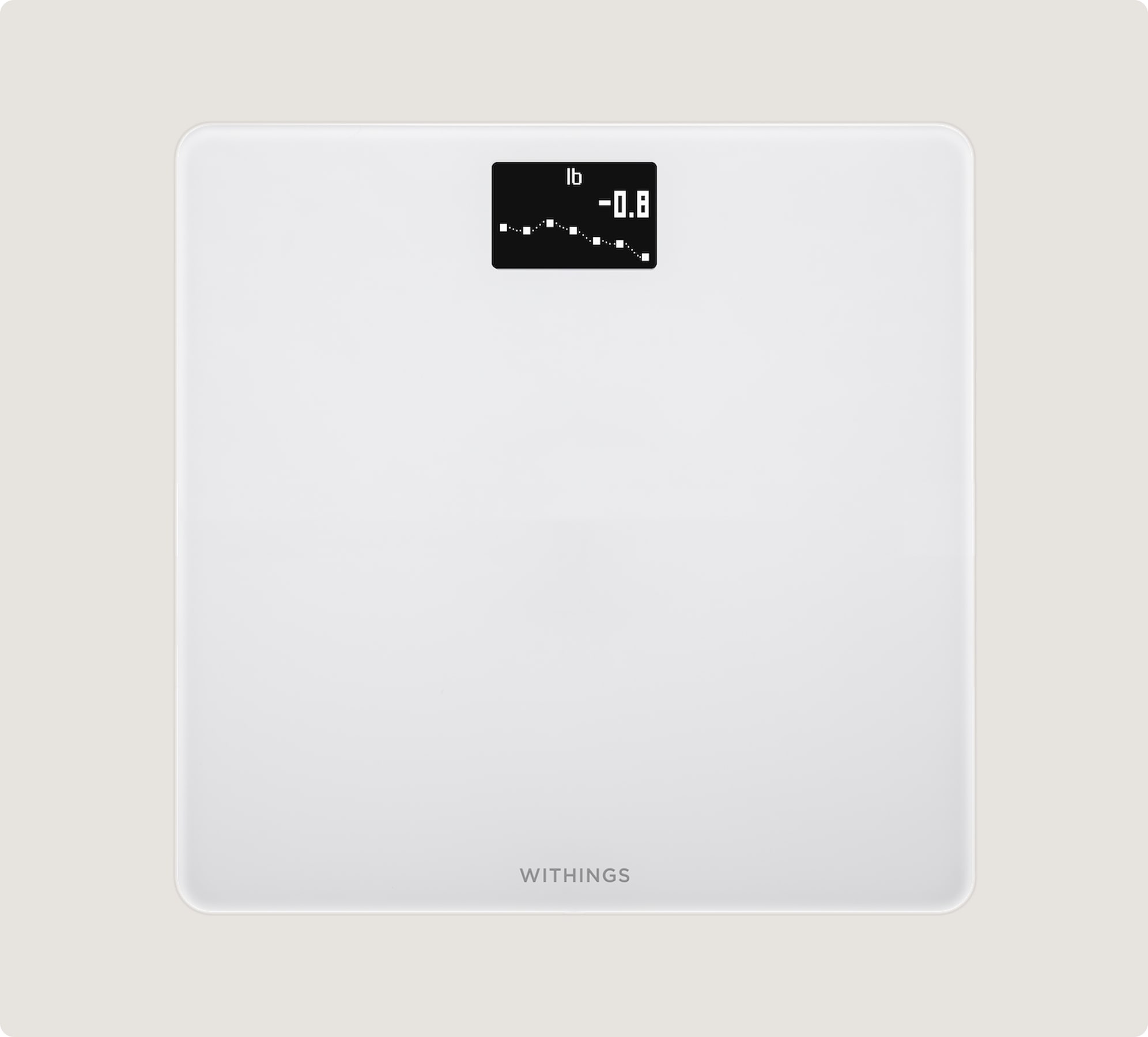
Withings Health Solutions offers a purpose-built combination of devices for heart failure management. BPM Pro 2 captures blood pressure alongside CHF symptom questionnaires and medication adherence tracking directly on the device screen. Body Pro monitors daily weight changes, a critical early indicator of fluid retention and heart failure worsening. Together, these devices provide care teams with the perfect solution for patients suffering from heart failure.
How does continuous remote monitoring help reduce heart failure readmissions?
Hospital readmissions are one of the most significant clinical and financial challenges in heart failure management. Withings connected devices enable continuous tracking of weight, blood pressure, and heart rate at home, providing early warning signs of fluid retention or clinical deterioration before they escalate into a crisis. By giving care teams the data they need to intervene proactively, Withings remote monitoring helps reduce costly hospitalizations and avoidable readmissions while improving patient outcomes.
How does Withings support heart failure patients in staying independent at home?
Maintaining independence and quality of life is a core goal for heart failure patients and their care teams. Withings devices are designed to be simple enough for daily use without clinical supervision, reducing the burden of monitoring for patients and their caregivers. Body Pro requires only a daily weigh-in, and BPM Pro 2 guides patients through each measurement with clear on-screen instructions. This frictionless experience encourages adherence and empowers patients to stay engaged with their health from the comfort of home.
What additional biomarkers can Withings devices collect for heart failure monitoring?
Beyond the core metrics of weight, blood pressure, and heart rate, Withings devices enable collection of richer clinical data specifically relevant to heart failure. BPM Pro 2 supports CHF symptom questionnaires and medication adherence tracking directly on the device screen, giving care teams valuable patient-reported context at the point of measurement.
